
I’ve been chasing European Christmas markets for years, and I need to be honest: most of them are tourist traps. Overpriced mulled wine served in plastic cups. Mass-produced ornaments pretending to be “handmade.” Crowds so thick you can’t even see the stalls. And prices that make you question whether they’re selling glühwein or liquid gold.
Here’s my honest ranking of 15 European Christmas markets — the 10 truly worth your time, and the 5 you can comfortably skip.
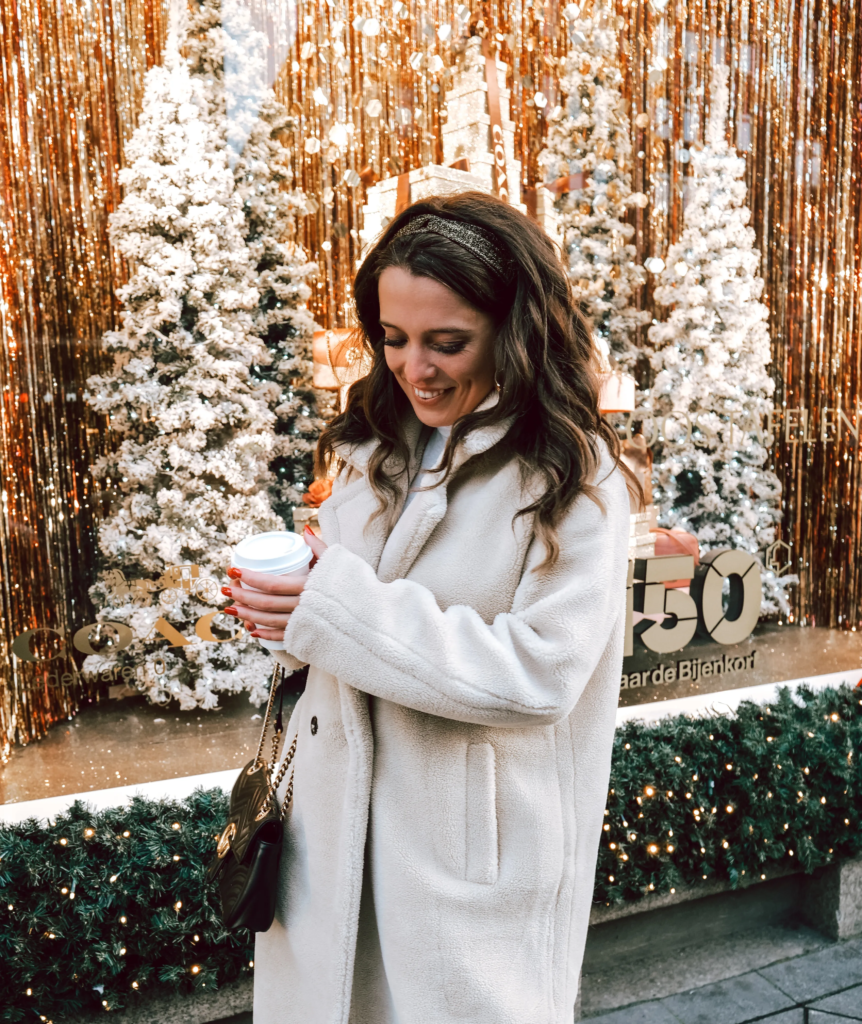
Worth It: Copenhagen Christmas Markets, Denmark – The Nordic Hygge Dream
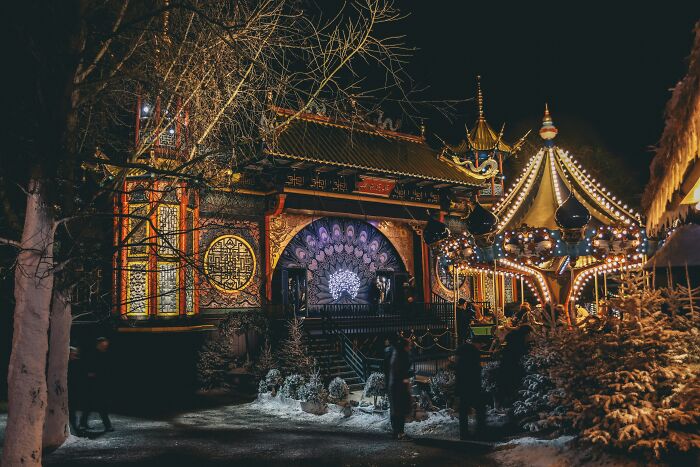
Just touched down in Copenhagen in December, and it felt like stepping into a holiday movie. The city doesn’t just do Christmas markets — it does hygge. That untranslatable Danish word for cozy warmth that somehow makes winter feel a little more bearable.
Tivoli Gardens is where the magic really happens. Operating since the 1800s, it transforms into a winter fairy tale: vintage carousels spin beneath strings of twinkling lights, bare trees glow softly, and the air is filled with the mingling scents of gløgg (Danish mulled wine) and fresh æbleskiver (Danish doughnuts). It’s not just a market — it’s an entire world built for wandering, photographing, and losing yourself in the festive atmosphere. Arriving early, before 11 a.m., is key if you want to capture that soft, magical light without the crowds. The gløgg is genuinely delicious — nothing like the overly sweet stuff some markets serve — and Kongens Nytorv Christmas Market stays open late, perfect for an after-dinner stroll. Everywhere you turn, the city’s canals reflect the lights, doubling the glow and making every corner feel enchanting.
Staying at Herman K Hotel made the experience even better. Coming in from the cold to warmth and luxury was a treat in itself, and the staff shared insider tips on the best stalls for caramelized almonds (spoiler: not the ones right at Tivoli’s entrance).
A few practical tips: layer up — it’s chilly but manageable (0–5°C), cards are accepted almost everywhere, and skip the overpriced harbor cafés — the markets themselves have all the food you need. Weekday mornings or late evenings are the best times to avoid cruise ship crowds, and the season runs from late November through New Year. Is it worth the hype? Absolutely. Copenhagen’s Christmas markets are cozy, authentic, and genuinely magical — exactly what every holiday dream should feel like. For a full guide with a 48-hour itinerary, where to stay, and which markets to prioritize, check out my Copenhagen Christmas guide here.
After years of chasing Christmas markets across Europe, I’ve learned something important: the most hyped markets aren’t always the best. The real magic happens in places like Copenhagen’s Tivoli Gardens or Nuremberg’s traditional stalls — markets where locals actually shop, where the gingerbread is baked that morning, and where you can wander without getting elbowed.
Skip the overcrowded tourist traps. Take a train to Cologne’s cathedral market, lose yourself in Copenhagen’s hygge wonderland, or follow my advice and skip Amsterdam for Haarlem. Sip gløgg or glühwein, savor fresh stroopwafels, and pick up a hand-carved ornament. Let yourself get swept up in the cozy chaos of a real European Christmas market.
Worth It: Edinburgh Christmas Market, Scotland
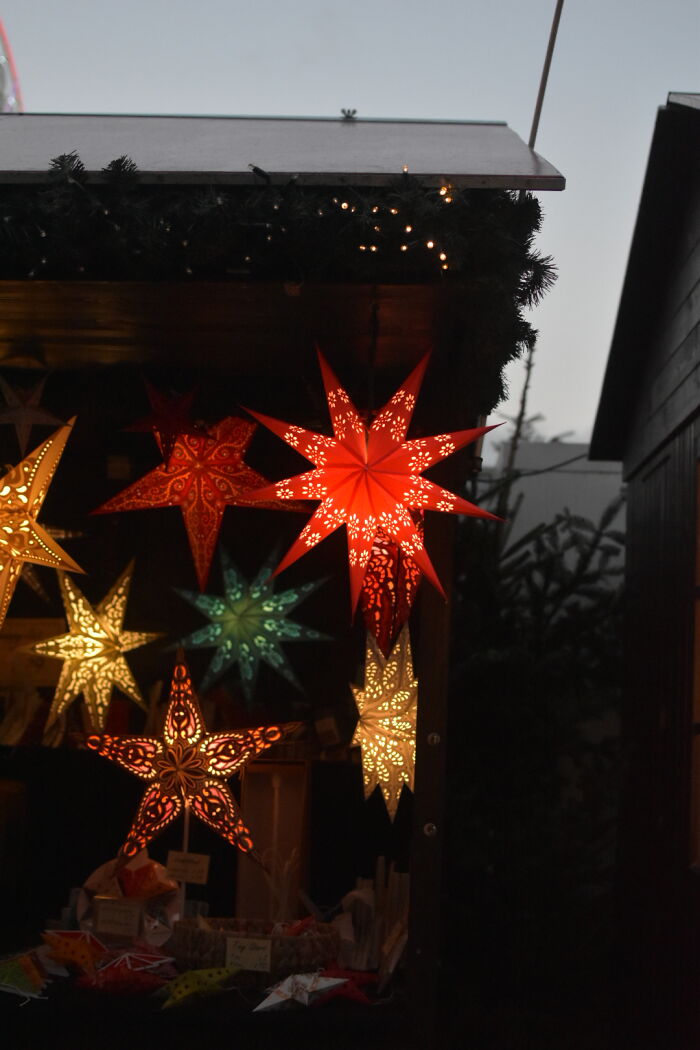
Who doesn’t want to stroll through a Christmas market with a castle watching over them? Edinburgh’s Christmas Market sits right in the heart of the city, offering the perfect excuse to wander with a mulled wine in hand, pick up a tartan wool scarf, and admire the city’s iconic stone architecture glowing under winter lights.
What makes this market special is the setting itself — few cities can match Edinburgh’s dramatic backdrop. It’s also the perfect place to try a hot toddy, Scotland’s beloved winter drink made with whisky, tea, lemon, and honey. It’s exactly what you need on a chilly December day. And if you’re feeling adventurous, the Starflyer attraction offers sweeping views of the city from high above (though it’s definitely not for those afraid of heights).
The market runs from November 15 to January 4, 2026, closing only on Christmas Day. You’ll find it stretched along Princes Street Gardens, both East and West, just steps from Waverley Station and easily reached by bus or tram. Nearby on George Street, you’ll also find an ice-skating rink, food and drink stalls, and even a polar ice bar.
For the best experience, visit midweek — it’s noticeably calmer than weekends. Locals also have their own secrets: enter from the bottom of Cockburn Street for the best first impression, with the illuminated “Edinburgh” sign greeting you as you walk in. And if you prefer to stay warm while still soaking in the atmosphere, head to the Nor Loft bar at the East Market Street Hotel. From their rooftop balcony, with a glass of champagne in hand, you can watch the market sparkle below and the starflyer rise into the night sky.
Worth the hype? Absolutely. Edinburgh is magical any time of year, but with Christmas lights twinkling across the city, it becomes unforgettable.
Worth It: Düsseldorf Christmas Market, Germany – Luxury Meets Tradition
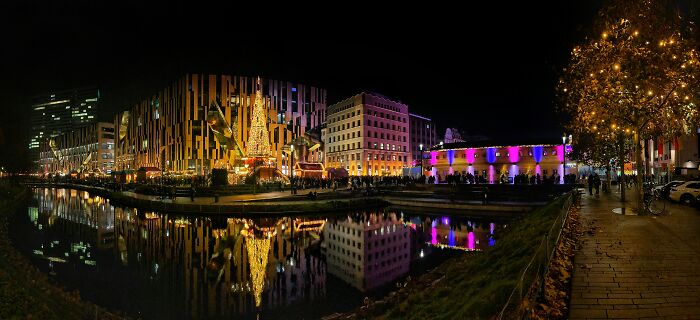
Düsseldorf might not get the same international attention as Cologne or Nuremberg, but its Christmas markets are absolutely worth exploring. The city hosts one of Germany’s largest market networks, spread across multiple themed areas, each with its own architectural style. Walking from one market to the next feels like a mini tour through both traditional German charm and modern city energy.
Königsallee, the city’s famous shopping street, transforms into a high-end Christmas boulevard, twinkling with lights and festive decorations. In one area, the stalls feel Gothic and old-world; in another, they’re sleek and modern. You’ll find traditional German treats alongside international street food, and beautiful decorations seem to spill into every corner of the city center. The multiple market zones also make it easy to avoid the busiest crowds if you plan your route carefully.
Some of my favorite spots include the Handwerker Markt, or Artisan Market, with handmade crafts and Düsseldorf’s biggest Christmas tree; the Märchen Markt, which is the largest and offers the widest variety of food; and the Ko-Lichter Markt, a canal-side market that glows beautifully at night. For anyone who wants both a traditional Christmas atmosphere and a variety of shopping and food options, Düsseldorf delivers.
A practical tip: the Schadowstraße area is noticeably less crowded than the main Marktplatz, making for a more relaxed stroll. The markets run from November 20 to December 30, 2025 (closed on Christmas Day), generally from 11 a.m. to 8 p.m., though each market has slightly different hours.
Is it worth the hype? Absolutely — especially if you love variety, beautiful decorations, and the chance to explore multiple festive neighborhoods in one visit.
The best markets aren’t the ones with the biggest crowds. They’re the ones where €3 gets you a real glass of wine, where you can actually enjoy the atmosphere, and where you leave feeling like you’ve discovered something special instead of just another overhyped attraction.
Which Christmas market has surprised you the most? Have you been to any of the ones I’ve mentioned? Share your experiences in the comments — and for more honest travel guides, hidden European gems, and advice that goes beyond the usual Instagram highlights, check out my travel blog.
Worth It: Dresden Striezelmarkt, Germany – The Oldest
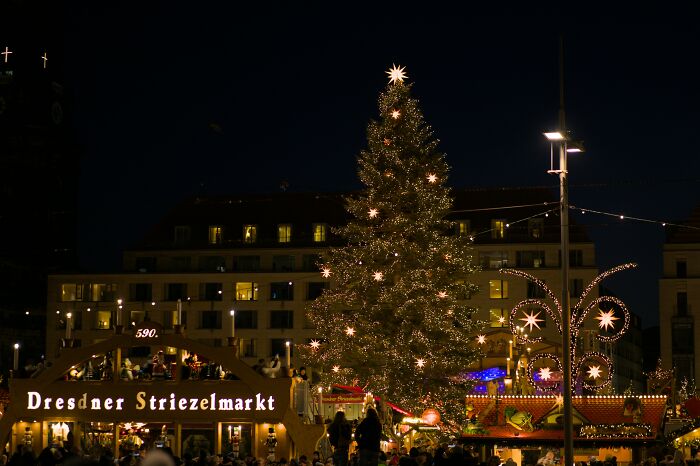
Dresden is home to Germany’s oldest Christmas market, the Striezelmarkt, which dates back to the 15th century. Walking through it feels like stepping back in time, surrounded by centuries of tradition and history.
What makes Dresden truly special is the authenticity of its market. Handmade wooden toys and hand-dipped candles line the stalls, while the famous Dresden Stollen — a rich, spiced Christmas cake — is a local obsession that visitors can’t miss. The entire city transforms into a winter wonderland, not just the market square, and with fewer international tourists than Cologne or Berlin, it feels delightfully intimate. The historical charm is undeniable: the market sits in front of stunning baroque architecture that miraculously survived the bombings of World War II, making the setting alone worth the trip.
Don’t miss trying stollen from the original bakers, marveling at the world’s largest Christmas pyramid (an impressive 14.6 meters tall), or tasting Pfefferkuchen, the spiced gingerbread cookies that have been baked in Dresden for generations.
The market runs from November 26 to December 24, open daily from 10 a.m. to 9 p.m. Is it worth the hype? Absolutely — especially for history lovers and anyone enchanted by centuries-old traditions.