
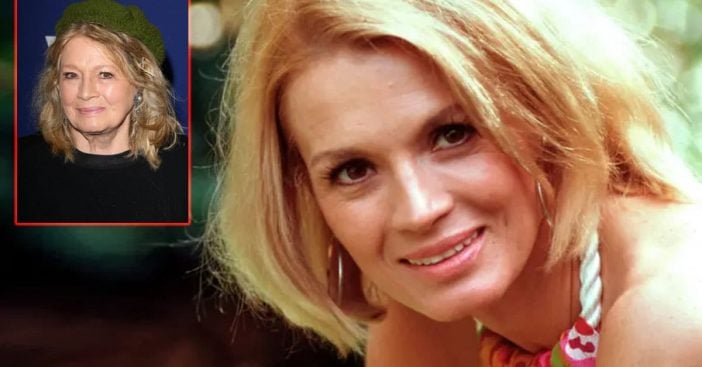
There’s no question that Angie Dickinson is the true embodiment of the classic Hollywood star, launching her career in television, shifting to the big screen, and moving back and forth between the two depending on the flow of things. In between, she found herself connected — in an organic, not cloying or opportunist way — with some of the biggest names out there.
Back in 1982, Sylvia Lawler, the Television Editor of Pennsylvania’s The Morning Call, profiled the actress, asking the question, “Angie Dickinson — an enigma surrounded by a glow. What has she got?” And without missing a beat, she answered her own question: “In the beginning — that would have been 1954 when the native North Dakotan made her first movie — she was known more for her terrific legs and that sexily wholesome glow than she was for her acting ability. Her movie roles were never standouts. Nobody ever called her the new Katharine Hepburn, but she was competent enough and the parts kept coming.”
And so did the leading men, Angie figuratively pole-vaulting over many more experienced actresses to find herself working early on with the likes of John Wayne, Richard Burton, Kirk Douglas, Peter Finch, Gregory Peck, Marlon Brandon, and Frank Sinatra. How’s that for a who’s who list of Old Hollywood? And beyond that, she impressed the Kennedys and everyone around them when she campaigned for JFK during the 1960 presidential election (triggering rumors to this day of an affair). One of those people was writer James A. Michener, then-Democratic chairman in his native Bucks County, Pennsylvania, who chronicled the campaign in his 1961 book, Report of the County Chairman.
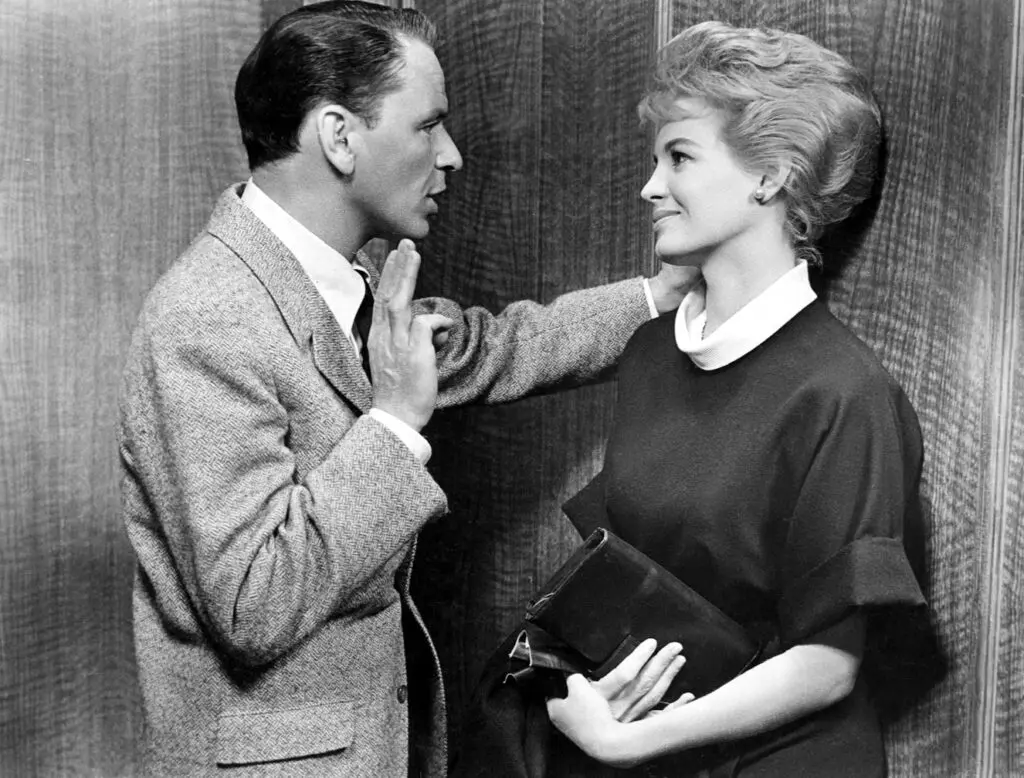
That “report” included an assessment of Angie, which read, in part, “She was a strikingly beautiful young woman with golden hair, dark eyes and a truly gamin manner. A delightful girl to have aboard an airplane. The soul of patience, a model of good sportsmanship, source of constant hilarity. She had a low, raucous, tantalizing laugh, a touch of Carole Lombard about her, a divine irreverence … But Angie was deceptive. I liked to talk with her, because I sensed that young as she was, here was an old pro who had knocked round Hollywood without getting anywhere and then, suddenly, everybody wanted her.”
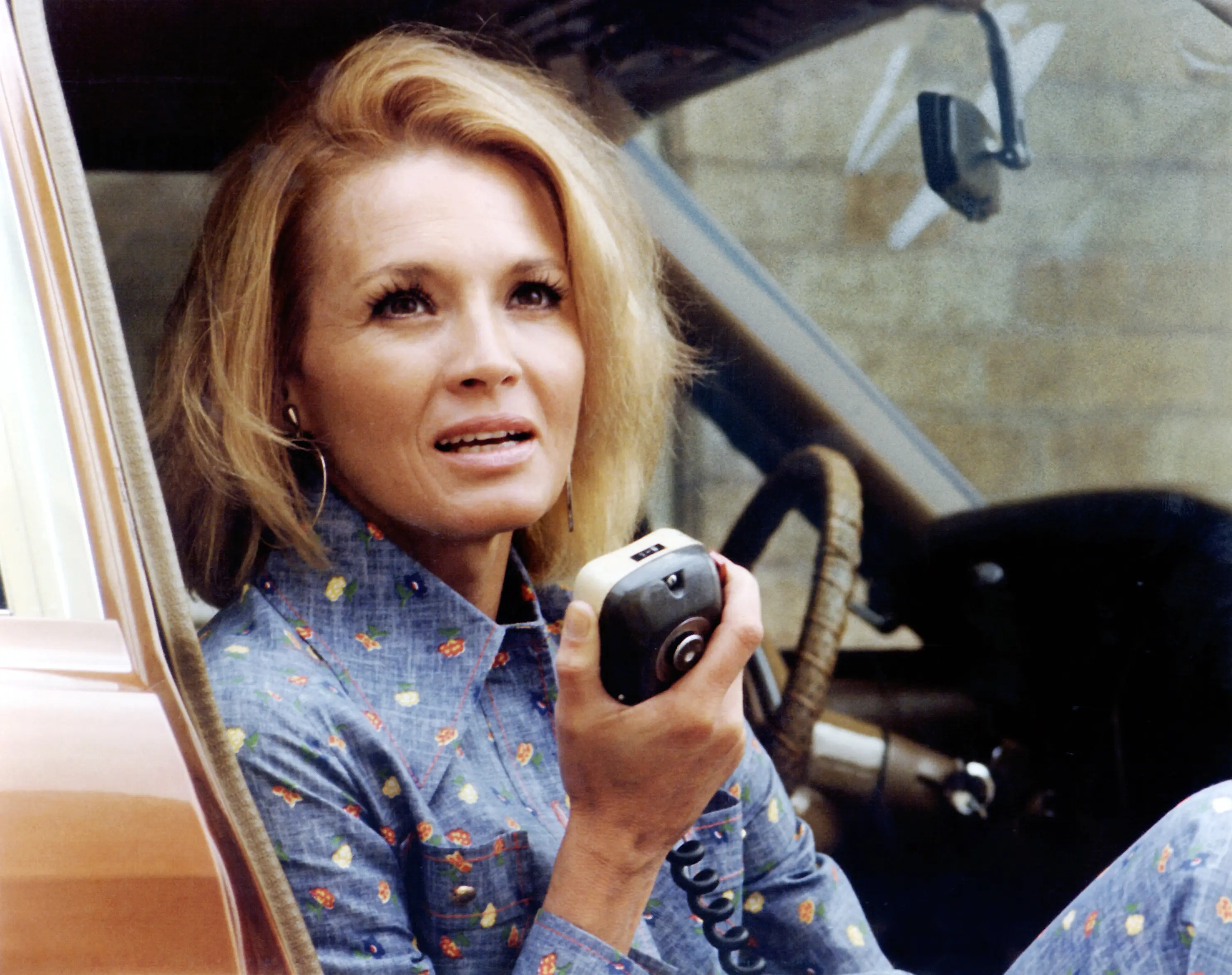
And that appeal has never gone away, leading her from John Wayne’s Rio Lobo in 1959 to perhaps her most popular role in the 1970s TV series Police Woman, to a nuanced and acclaimed performance in Brian DePalma’s 1980 thriller Dressed to Kill, with dozens of roles in between. It’s certainly what connected with biographer James Stratton, who has written Angie: The Life and Films of Angie Dickinson.
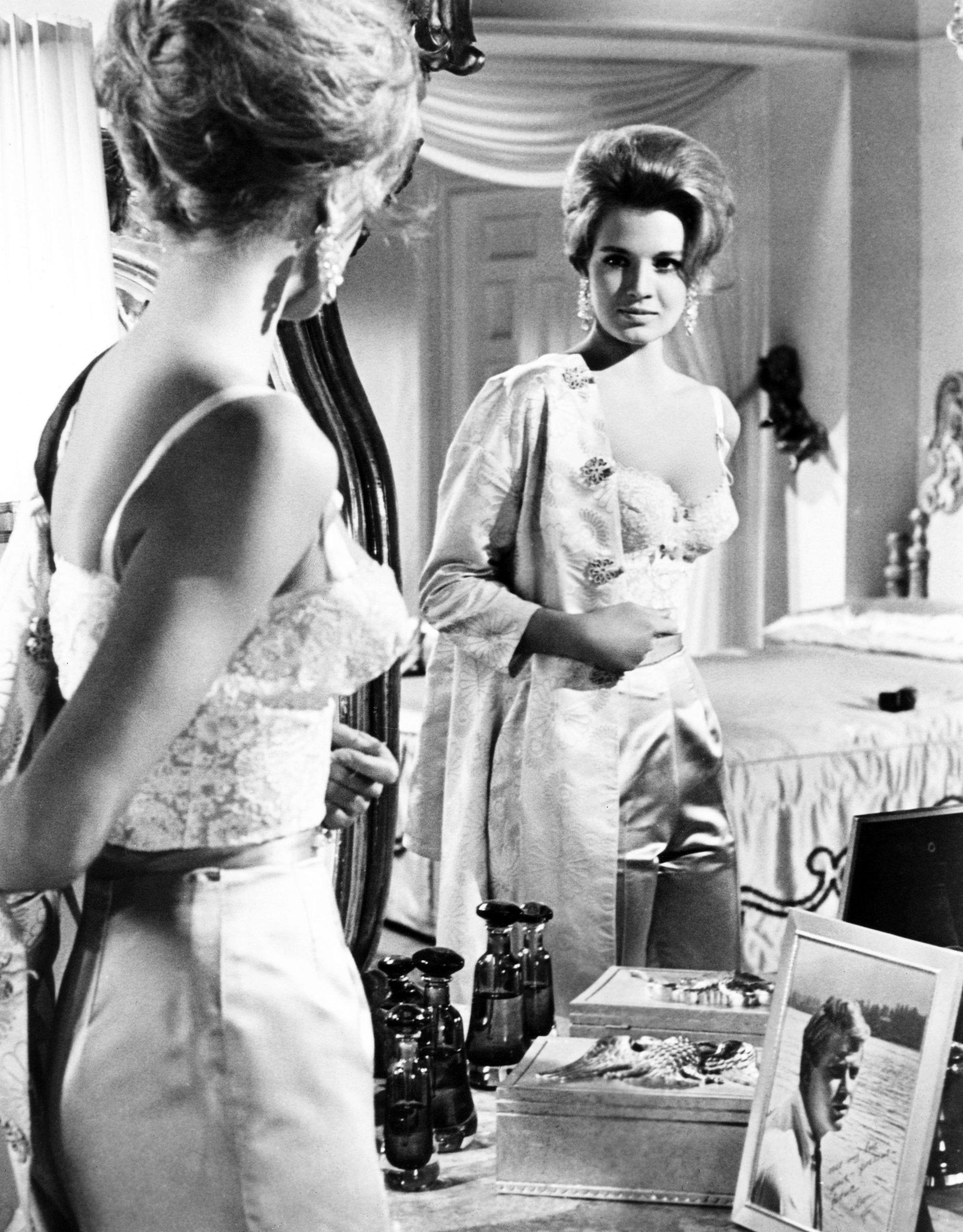
“There were two major reasons for writing this book,” James explains in an exclusive interview. “My respect for her as an actor began with Rio Bravo, and then when I saw The Killers and Point Blank, I just realized there was really something there. She has some amazing gifts: the eyes, the voice, the body and how she controls them all so appropriately. I just thought that she was certainly a great pop culture figure, but also an underrated and really good actress. The second reason is that there just hasn’t been enough written or said about her. She needed to have books written about her and people talking about her. She needed to have a presence more than she had up to that point.”
Oftentimes when writing a book, an author has a certain perception going into the project and emerges from it with an altered one, but that wasn’t the case in this situation. That being said, he points out, “The one thing I did come to realize was just how popular she was with everyone she had worked with. Not that I was actively looking for negative comments, but nobody had a negative thing to say about her. Overall, the experience was just a confirmation of her skills as an actress and the revelation that people really seemed to like her a lot.”
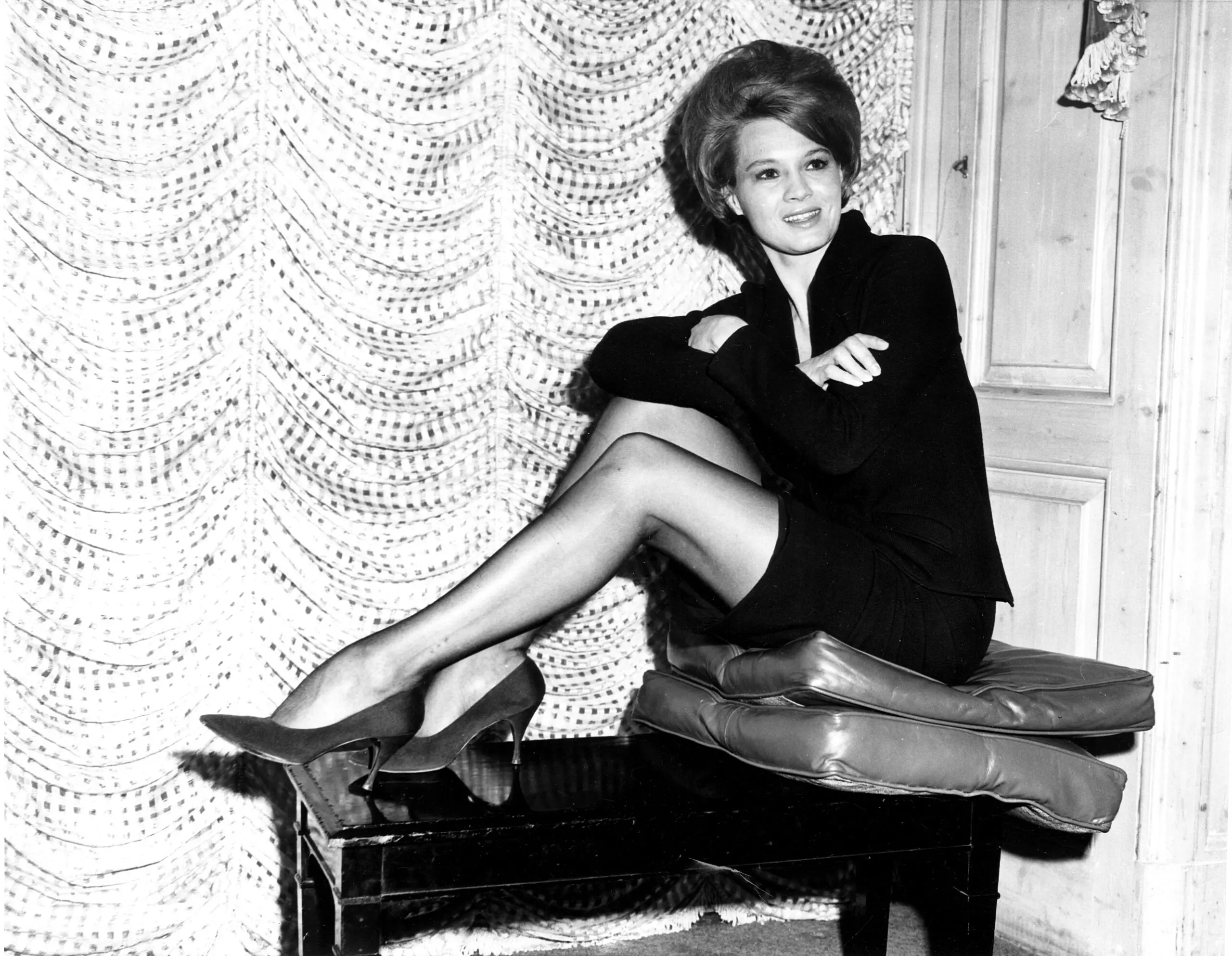
In a 1959 profile, The Los Angeles Times nicely summed up her early road on the way to stardom: “She was born Angeline Brown 25 years ago [on September 30, 1931] in Kulm, North Dakota. Her parents owned a newspaper, the Kulm Messenger, and later published the Mail in nearby Edgeley. When she was 10, they moved to Glendale. Angie attended parochial schools, Immaculate Heart College (one semester), and then Glendale College, where she took typing and shorthand. It was the urging of fellow workers in the airplane-seat plant that caused her to enter a couple of beauty contests.” Which, not surprisingly, she won.
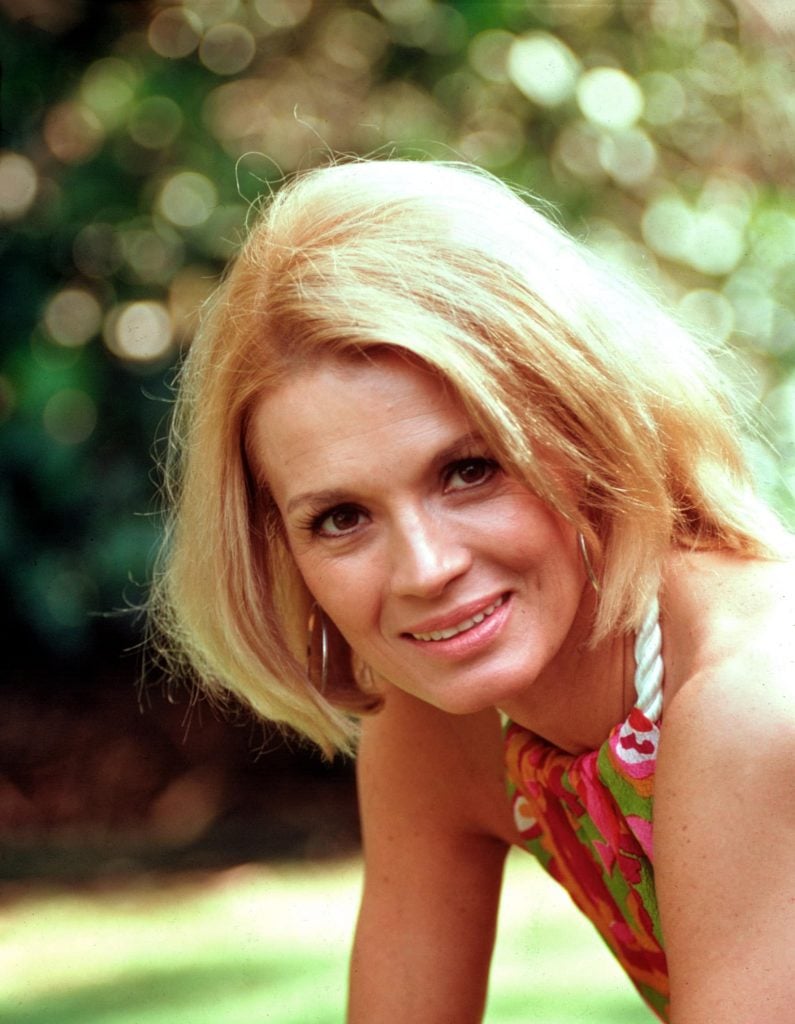
That same year Angie would tell journalist Philip K. Scheuer that she only participated in those contests for the prizes, one of which turned out to be a small part in the Doris Day film Lucky Me, produced by Warner Bros — where she had landed in Rio Bravo. “This is what led to my interest in acting,” she said. “I had to study dramatics to find out if I could act.” Those studies were paid for by continuing to work in secretarial jobs. “I was one of six TVenus Girls on the Colgate Comedy Hour, I did Westerns, live television, small parts in pictures.”