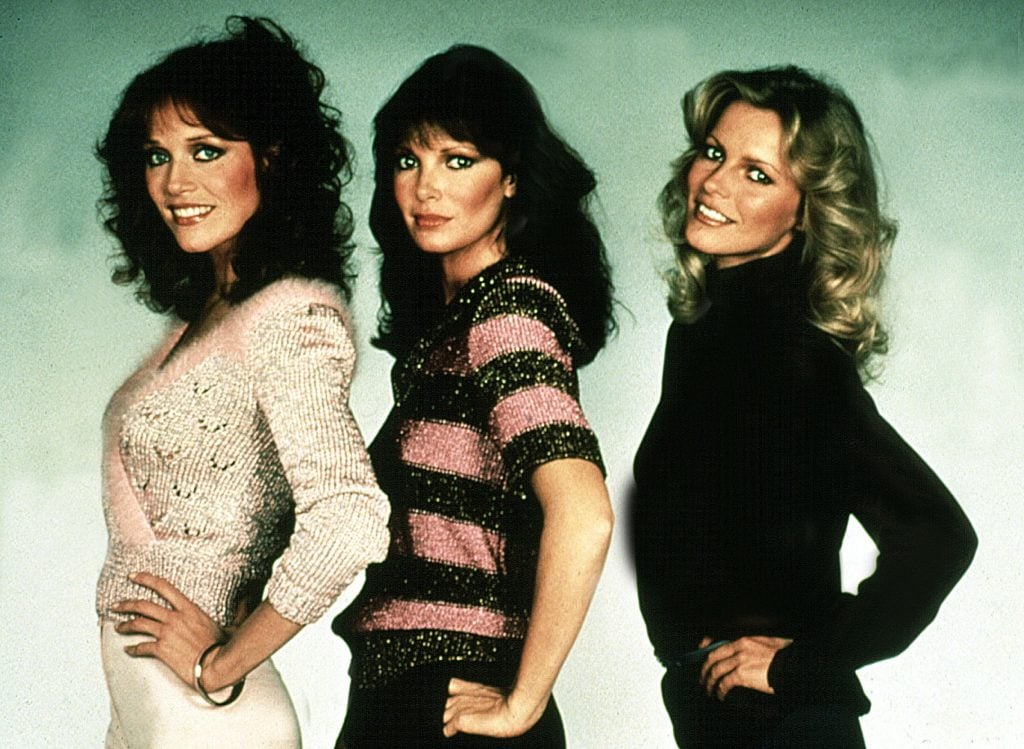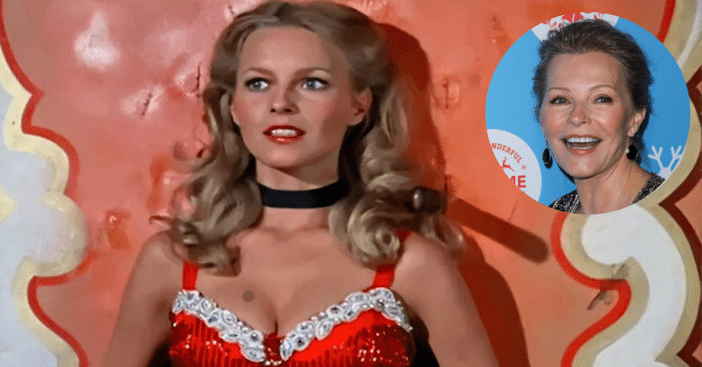
It wasn’t as though, back in the 1970s, Farrah Fawcett, Kate Jackson and Jaclyn Smith had been able to keep the Charlie’s Angels experience private between only them — there is no privacy when you’re in the middle of a pop culture phenomenon. It’s simply an insane set of circumstances with everybody wanting a piece of you 24/7, your face plastered on merchandise (some good, most cheesy) and the demands on your time unrelenting. With all of that in mind, why on Earth would Cheryl Ladd willingly step into that situation to replace Farrah Fawcett, then the hottest superstar on the planet? And, ironically, on a show dismissed by critics as nothing more than “jiggle TV.”
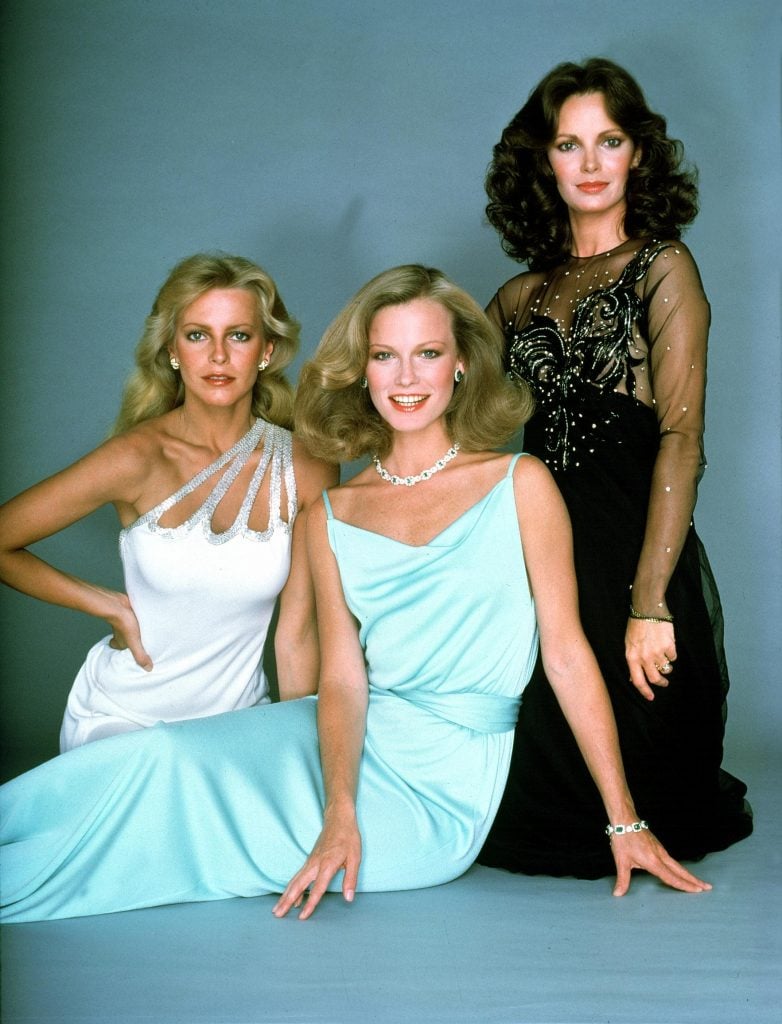
“Isn’t it interesting how intimidated men in the press and in general were by the show?” asks Cheryl rhetorically when she’s reminded of that phrase. “They had to put it down in some way. I mean, okay, we were young women who wore bathing suits and that was part of the draw, but they missed the whole other part. The part of empowered and highly-intelligent women. Women who had to act on their feet and make quick decisions and look after each other.”
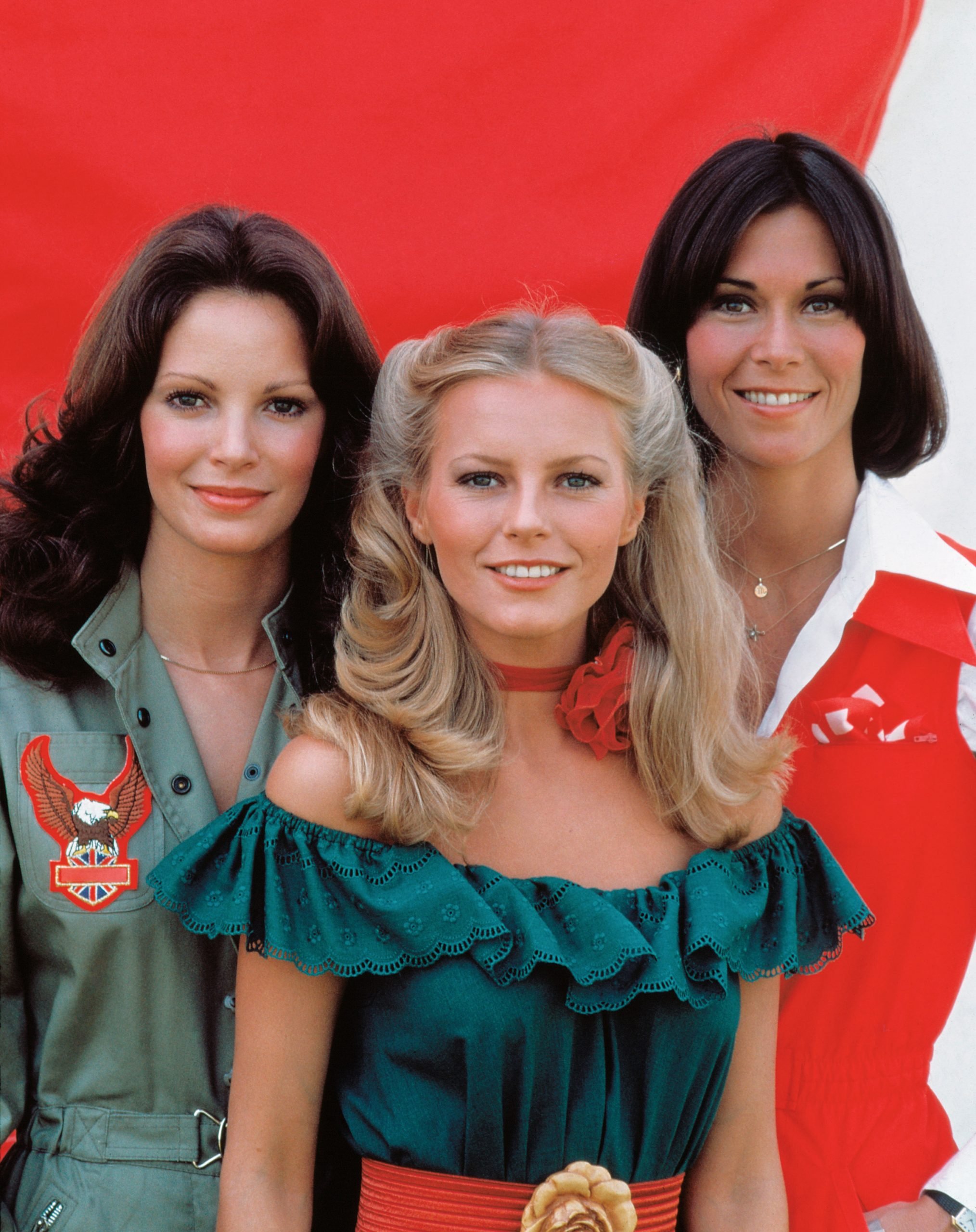
She reflects that she has frequently referred to the characters as a trio of Girl Scouts, but it was nonetheless a strong, powerful image for women that didn’t shirk away from the gains of the women’s liberation movement, but embraced it in a way that would make it palatable for the masses, maybe without them even realizing it.
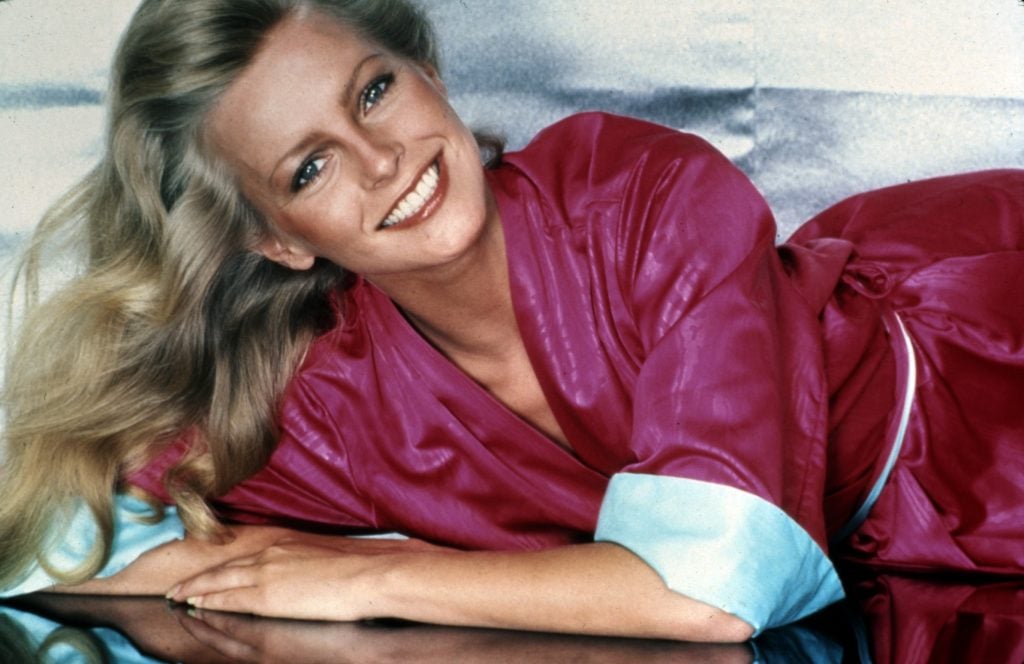
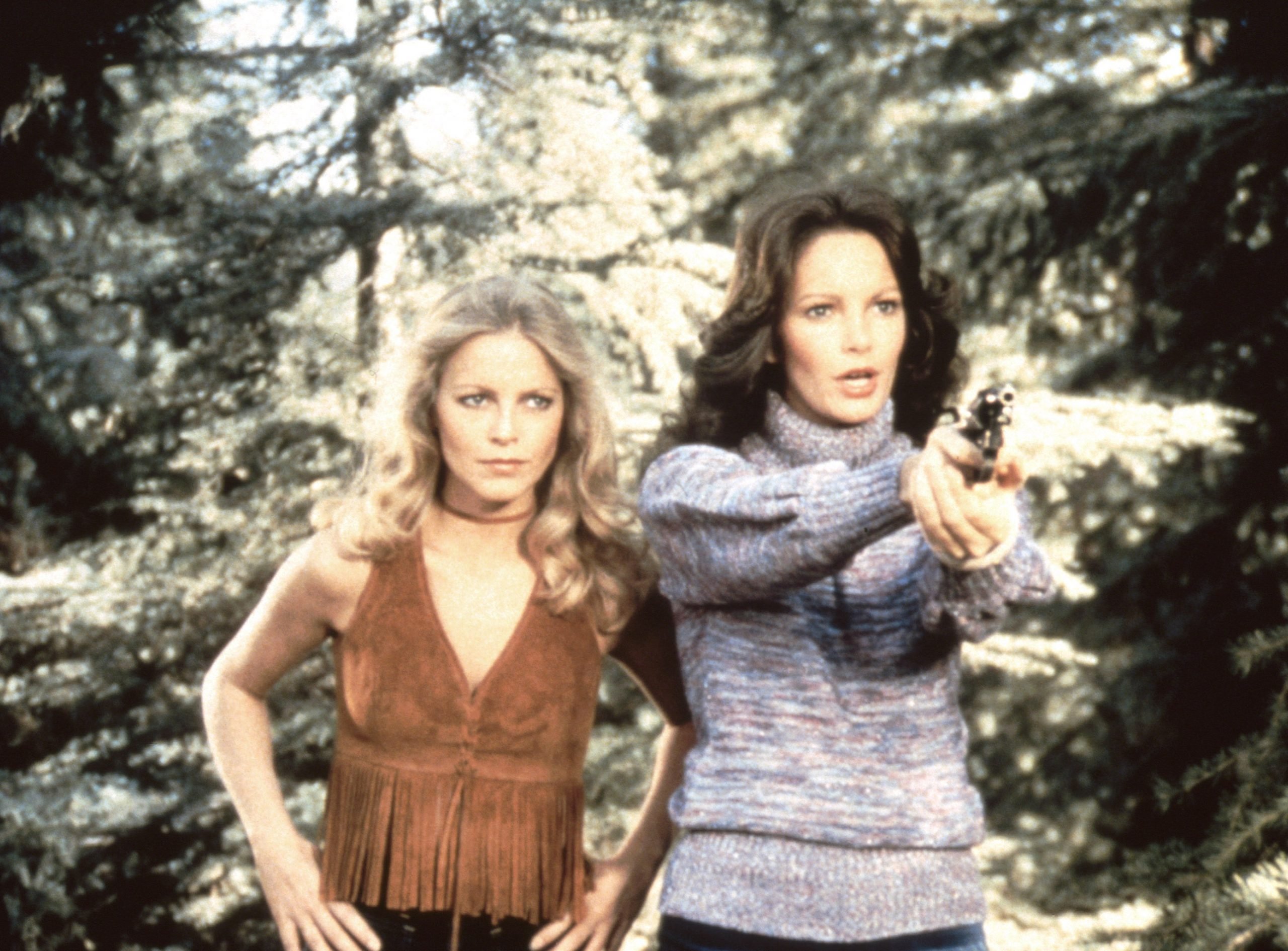
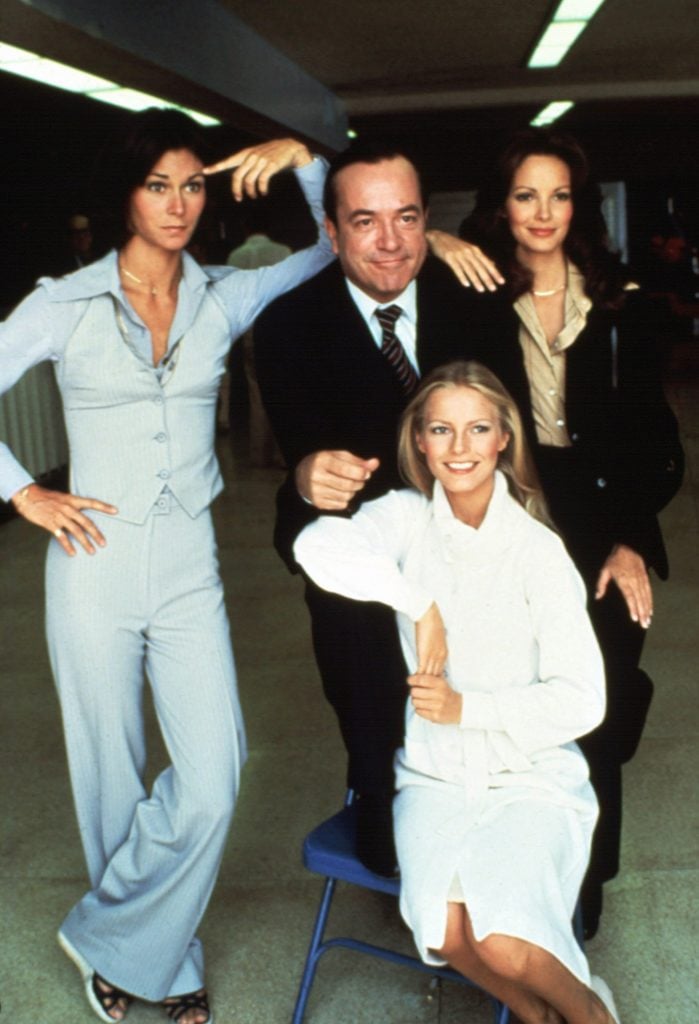
Cheryl shares, “Now, 40-something years later, I see people all the time that want their picture taken with Kris Munroe and they want to do the Charlie’s Angels pose with me. I’m talking about men, women, and children, which is adorable. What’s amazing is when people come up to me and say things like, ‘I wouldn’t have been a police officer without Charlie’s Angels. You girls inspired all of us and women firefighters, doctors and all kinds of people.’ They were just inspired by those three Angels. I just feel so proud that it had an impact on women that was just virulent. That’s joyful.”
Reluctant ‘Angel’
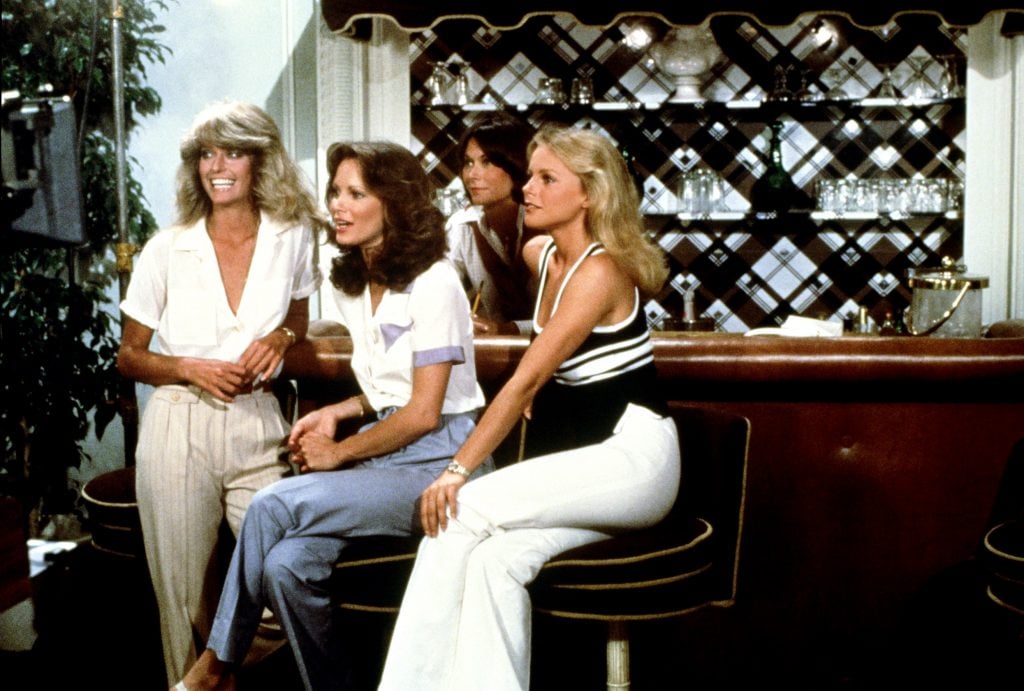
The interesting thing is that initially, the idea didn’t feel like a good fit for her, mostly because, as noted, of how big it was as well as the Farrah factor. As she explains it, she had previously worked with series producer Aaron Spelling on a few different projects, so she got the call when Farrah was leaving and was told they wanted her to be the replacement Angel. She immediately turned him down and the search for a new Angel continued. Eventually, though, he couldn’t find anyone and asked if she could just come in to talk to him.
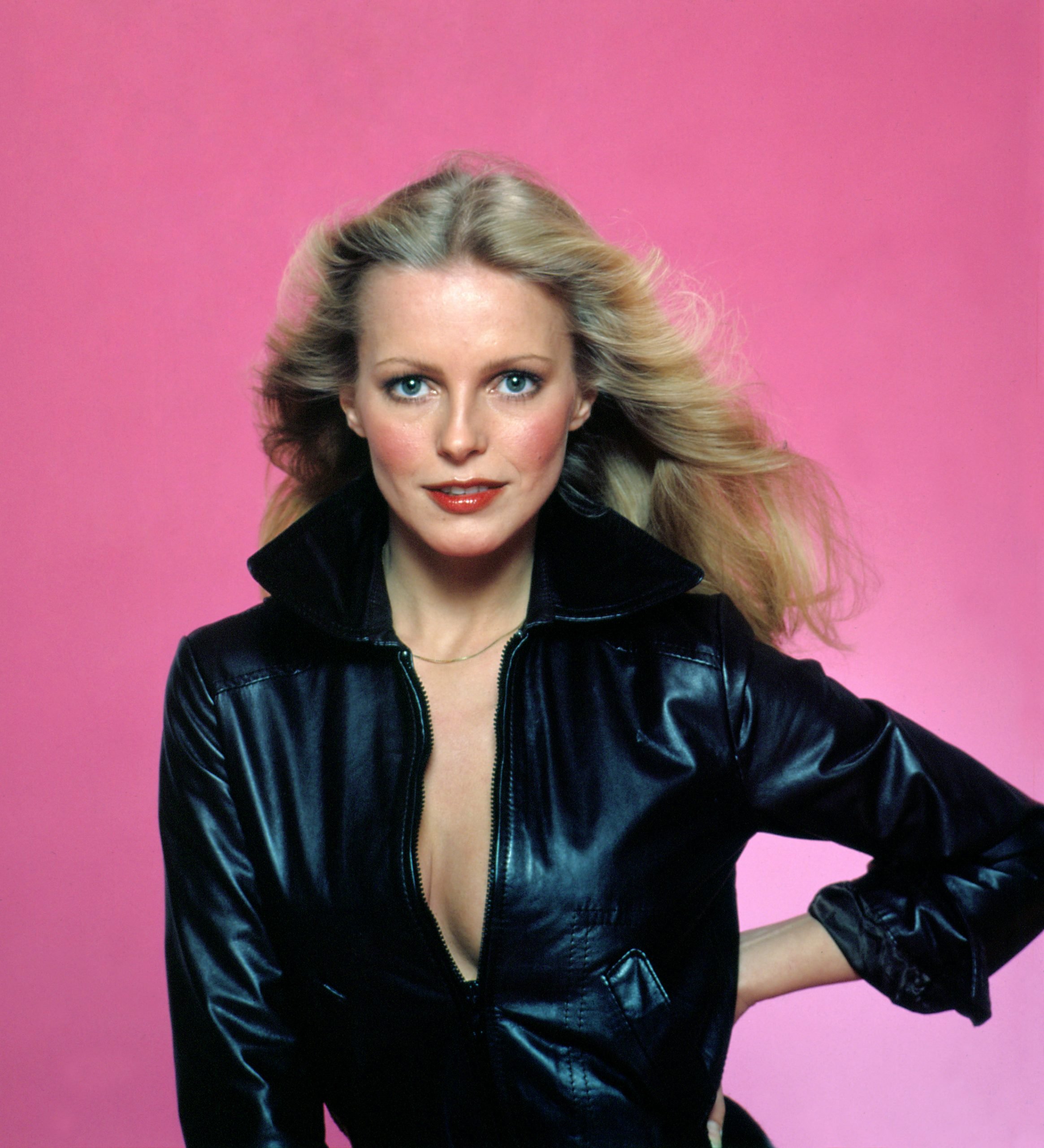
She remembers sitting across the desk from him in his office and then started to ask him questions. “I said, ‘Aaron, what would I play? Nobody can go in there and try to be Farrah Fawcett or the new Farrah Fawcett. What would I play?’ He said, ‘What do you mean?’ I said, ‘I don’t know. Could I be funny?’ And he asked me, ‘Why couldn’t you be funny?’ Now that was interesting. Then I said, ‘If I was a rookie, I could make mistakes. This is America. We pull for the underdog and the person that’s trying really hard. We relate to that.’”
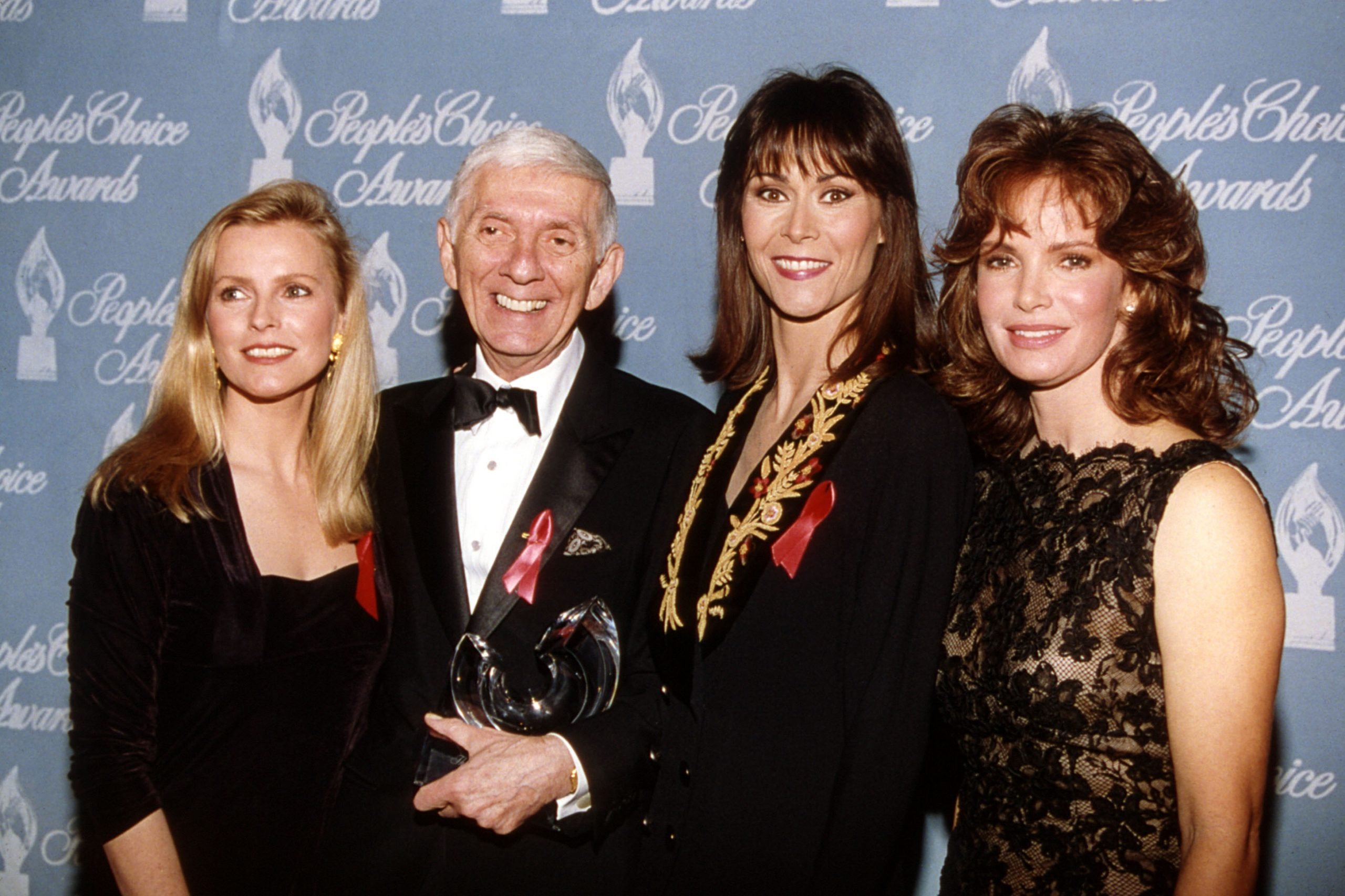
Spelling was enthusiastic about the idea, which triggered the notion that this character could actually be the littler sister to Farrah’s Jill Munroe, which would more or less already make her a part of the family. Her response? “You have an actress.”
Welcome to your new life, Ms. Ladd
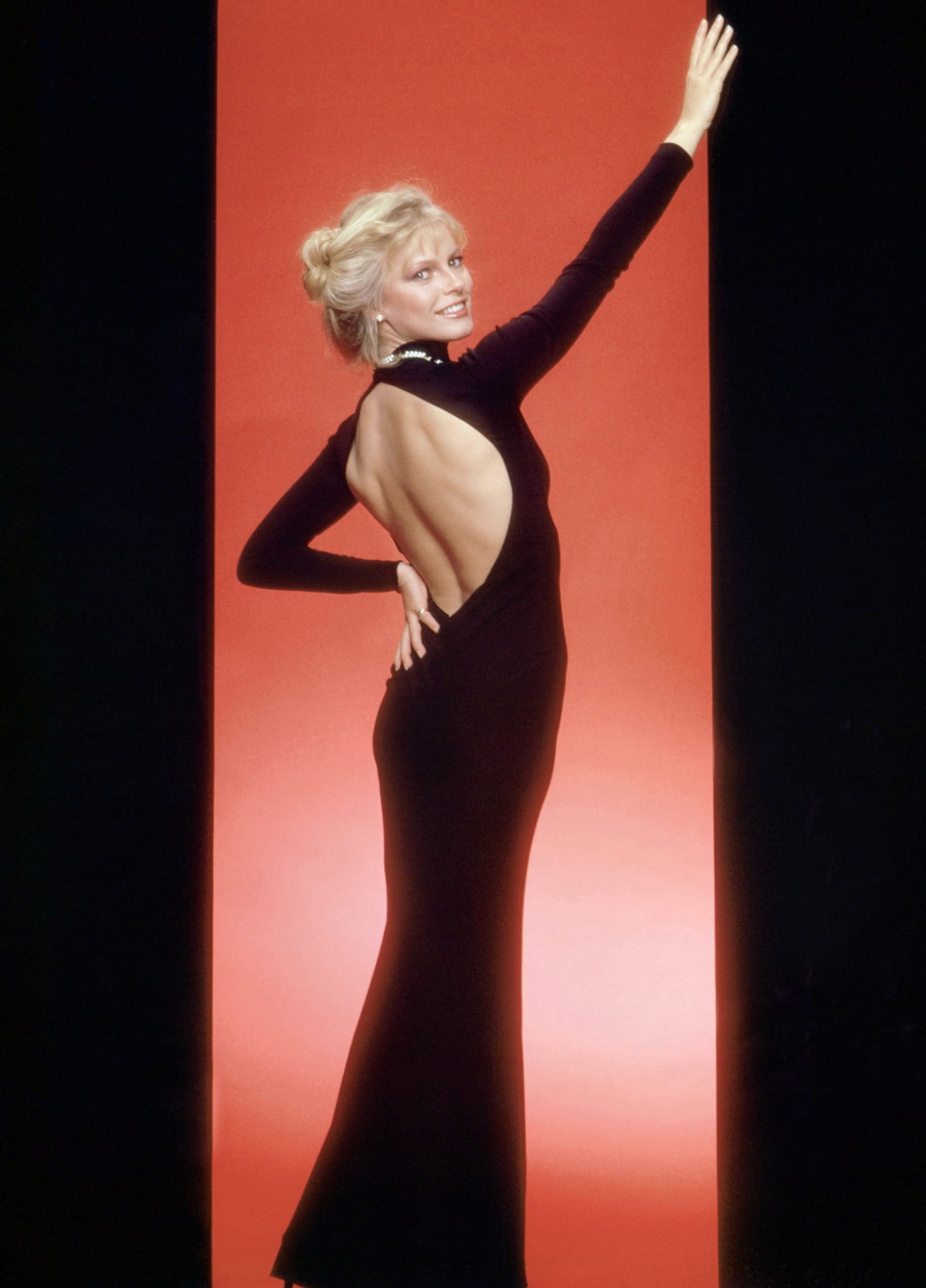
So Cheryl joined the show and was immediately swept up in the whirlwind it had become. And how would she describe that experience? “Interesting.”
As she observes, “Nobody cares about you one day, and the next day they want to know what you eat, what you wash your hair with — just everything about you becomes so interesting overnight. But I was still the same girl I was the day before when nobody cared. It was just an interesting transition and it became a little overwhelming, but what saved me from it is that I just knew it wouldn’t last forever. So I just embraced it with two hands and did the best job I knew how to do.”
A philosophy that had already become, and continues to be, a way of life.
Early Days
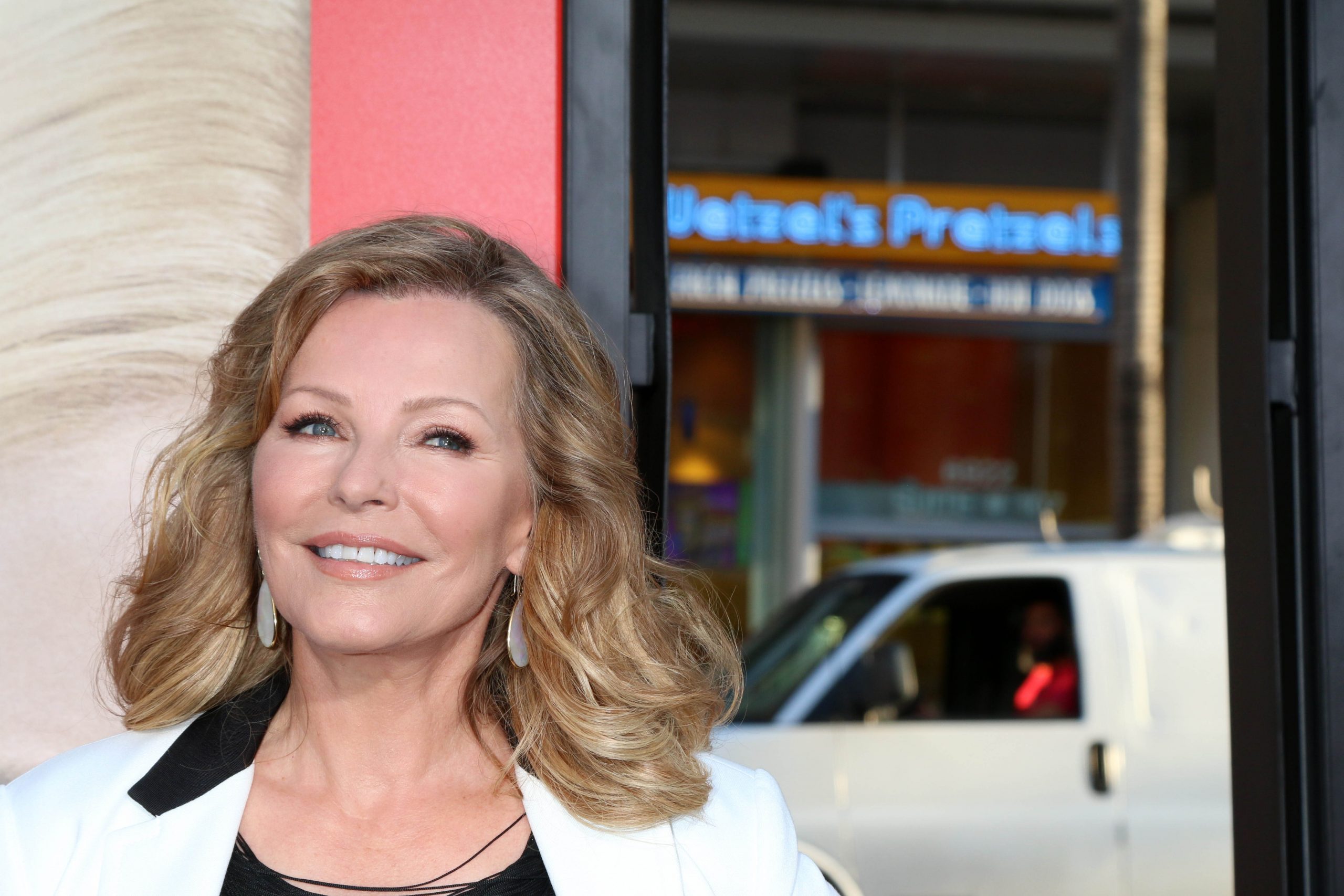
She was born Cheryl Jean Stoppelmoor on July 12, 1951in Huron, South Dakota. Her entrance into show business was as part of a band called The Music Shop, which played venues in the mid-west on their way to Los Angeles — with the blessing of her parents. All they asked of her and her sister was that they behave themselves, not get into trouble, take school work seriously and simply be themselves.
“They never told me what I could or could not be,” she says. “To get that kind of advice from your parents was a wonderful gift. And for me, I was a really creative person in a tiny town in South Dakota. And I knew I was going to have very limited opportunities there.”
Once Cheryl reached Los Angeles, she was hired to provide the singing voice of the Melody character on the Saturday morning cartoon Josie and the Pussycats, which led to a Josie album in 1970. This was followed by the albums Cheryl Ladd (1978), Dance Forever (1979), Take a Chance (1981) and You Make It Beautiful (1982), all of which were accompanied by a variety of singles. In between recording, she also made the shift to acting, and started appearing in small movie roles and made guest star appearances on television. Additionally, in 1973 she married David Ladd, with whom she had their daughter, Jordan Ladd, in 1975 and she gained a new last time … before the couple divorced in 1980.
Charlie’s Angels finished its run in 1981, at which point Cheryl expanded her horizons to include more substantial film and TV movie roles, additional series, performing on Broadway, starting her own mega-successful business, and married a second husband (Brian Russell, who she has been with since 1981). And now, at age 69, she is absolutely thrilled to embrace the opportunities still coming her way.
Thank You, #MeToo
The fact that there needed to be a #MeToo movement in the first place is a terrible situation, but in many ways, there have been positive outcomes. “So many more women writers are writing for women,” Cheryl observes. “So many more men writing good things for women. It’s really interesting how that has kind of exploded with the availability of all of the streaming services out there that need product and have proven that there is an audience for very strong women. I like being this age. I’m enjoying my craft far more now than when I was on Charlie’s Angels.”