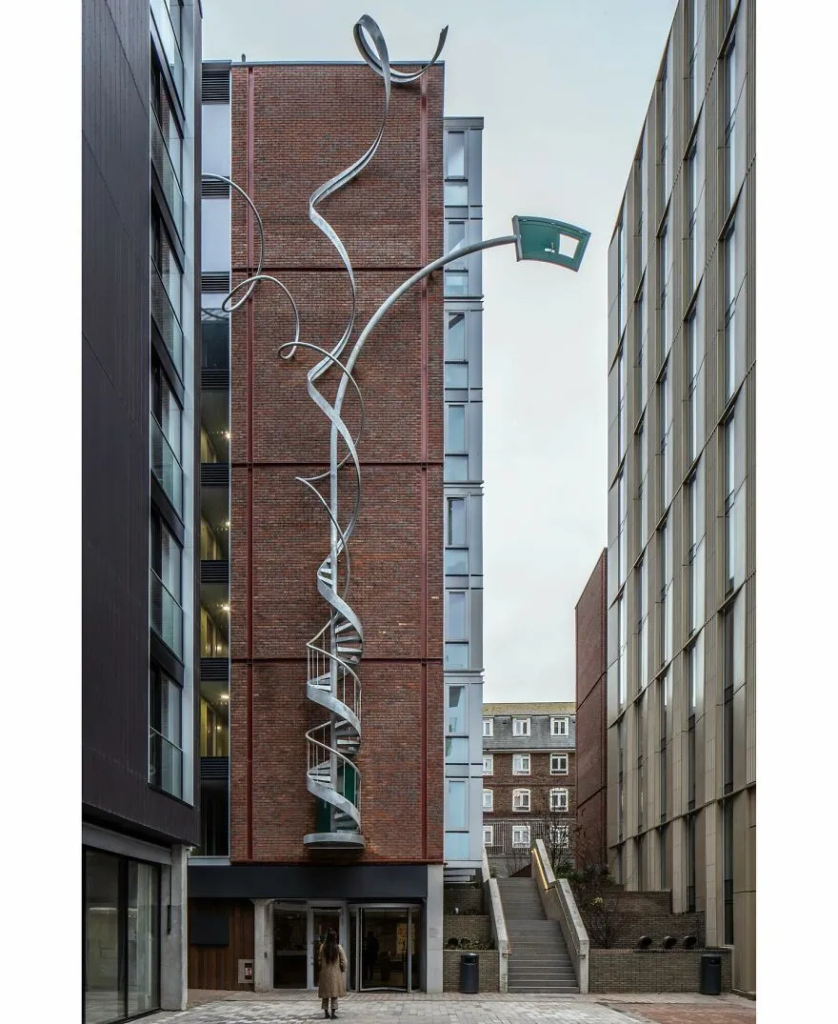
Alex Chinneck is a British sculptor known for his striking and imaginative urban interventions that merge art, architecture, and engineering. With his most known creations like a melting house, a levitating mansion, and a 37-meter upside-down tower, Chinneck’s work transforms familiar urban landscapes into surreal, playful spectacles.
His approach challenges conventional boundaries, blending technical skill with theatrical design to create immersive, physically real experiences that captivate audiences. A graduate of Chelsea College of Art and a member of the Royal British Society of Sculptors, Chinneck has garnered international recognition, with his projects drawing millions of visitors worldwide and sparking curiosity and wonder in public spaces.
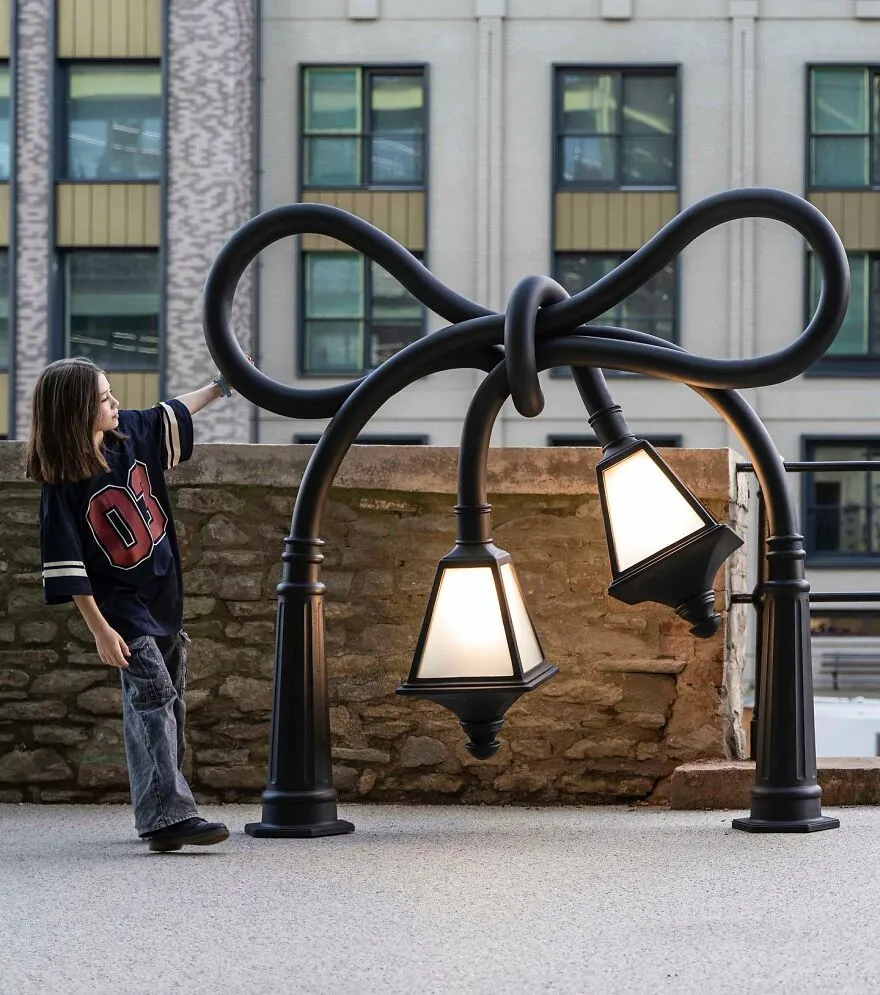
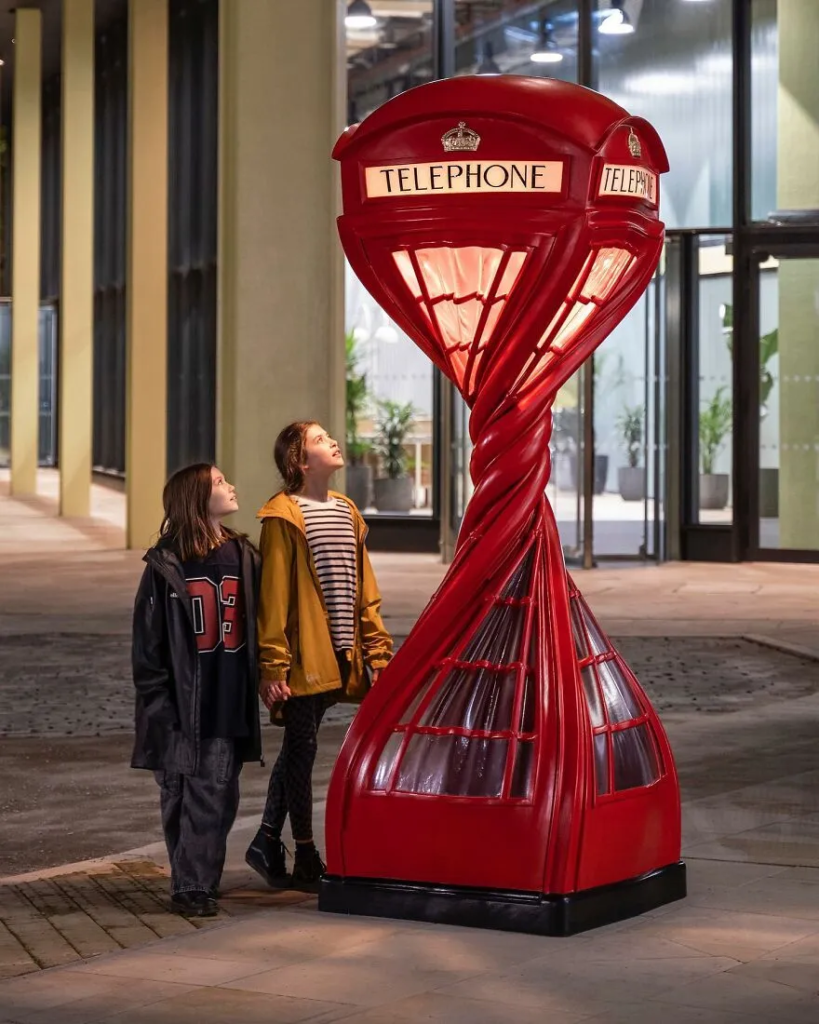
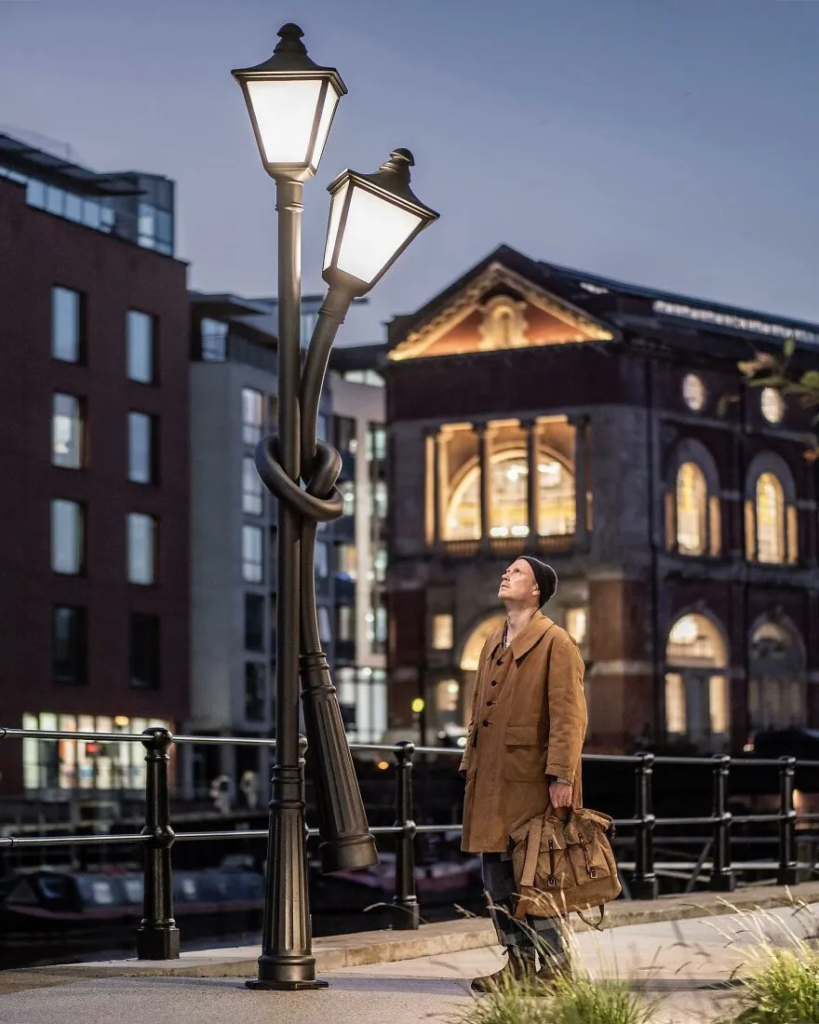
Alex’s creative process begins with concept exploration and sketching, followed by an intricate collaboration with his long-time engineer, Simon Smith, and a skilled team of fabricators and collaborators. He shared, “The first step for me in any project is a period of concept exploration and sketching. We then develop the drawings into digital models that help me refine each design and communicate them to others. Then I call my engineer, Simon Smith. We have been collaborating for over a decade now and I place an enormous amount of trust in his judgment. Simon’s feedback typically informs the evolution of the massing of the sculpture and its materiality. Refinement continues for months while we submit planning applications, draft contracts, plan logistics, identify and collaborate with fabrication partners, and occasionally raise funds. My studio oversees the entire project, working very closely with a broad team of brilliant collaborators. The larger projects are 5% creative and 95% technical and administrative execution. We take long, complex, and at times stressful paths to reach playful and hopefully uplifting visual moments.”
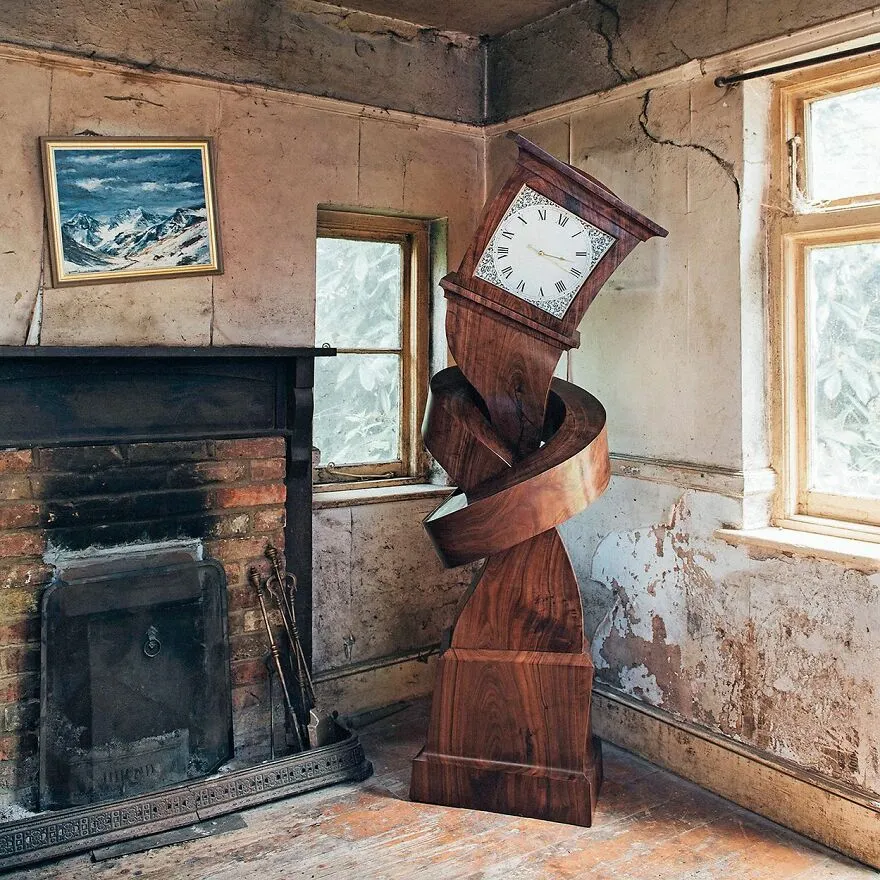
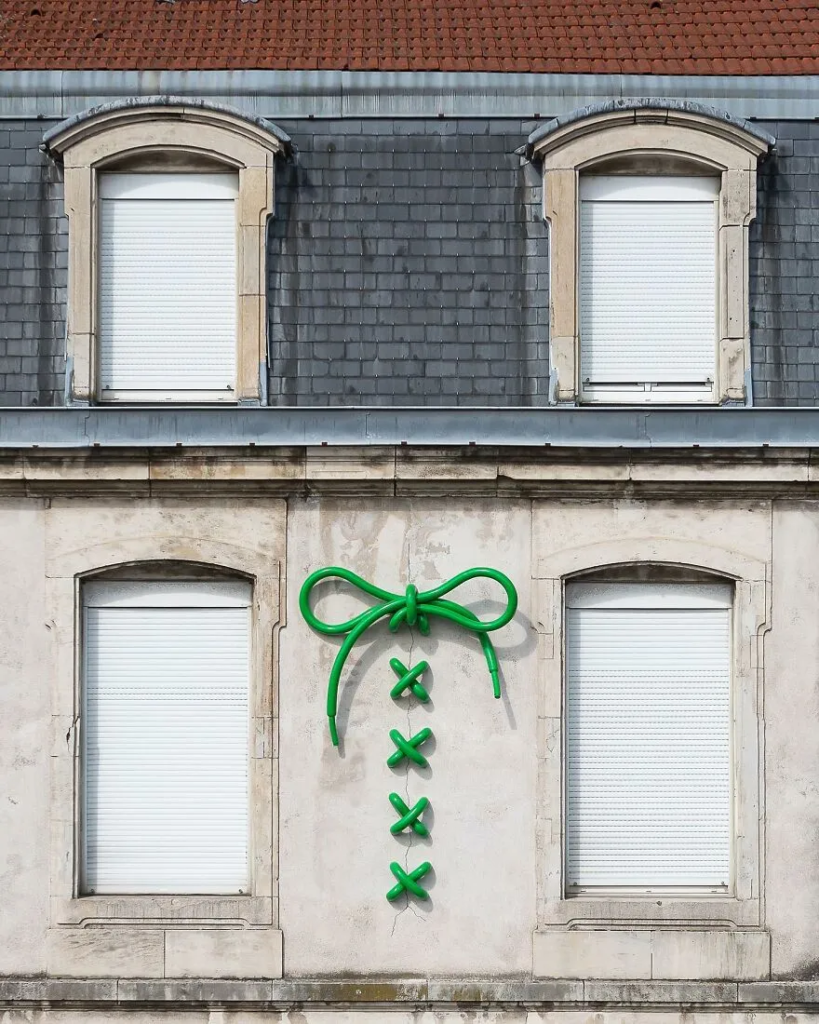
When discussing memorable reactions to his work, Chinneck recalled an early piece and how it influenced his approach to accessibility in art. “One of my first sculptures was for my final show at Chelsea College of Art. I made an interactive, kinetic, minimalist sculpture called Donald and the Judds. I remember a child interacting with the sculpture and then starting to cry when her mother took her away. I thought that was an incredible reaction and I’ve since tried to integrate accessibility in my work. I like to make sculptures, particularly in the public realm, that can be visited, understood, and enjoyed by any onlooker irrespective of their age or background. Conceptual accessibility sometimes feels like a crime in the art world, but it feels important within my practice and comes naturally to me. My favorite reactions are when people don’t realize that I’m the artist responsible, which is often the case. Those responses, positive or negative, are refreshingly unedited and honest. The spectrum of responses when working in the public realm is so broad; I can’t allow compliments or criticisms to inform my perception of each sculpture’s success. The right response to a setting isn’t always the approach that receives the most attention and celebration—some sculptures need time to bed in with people and place.”
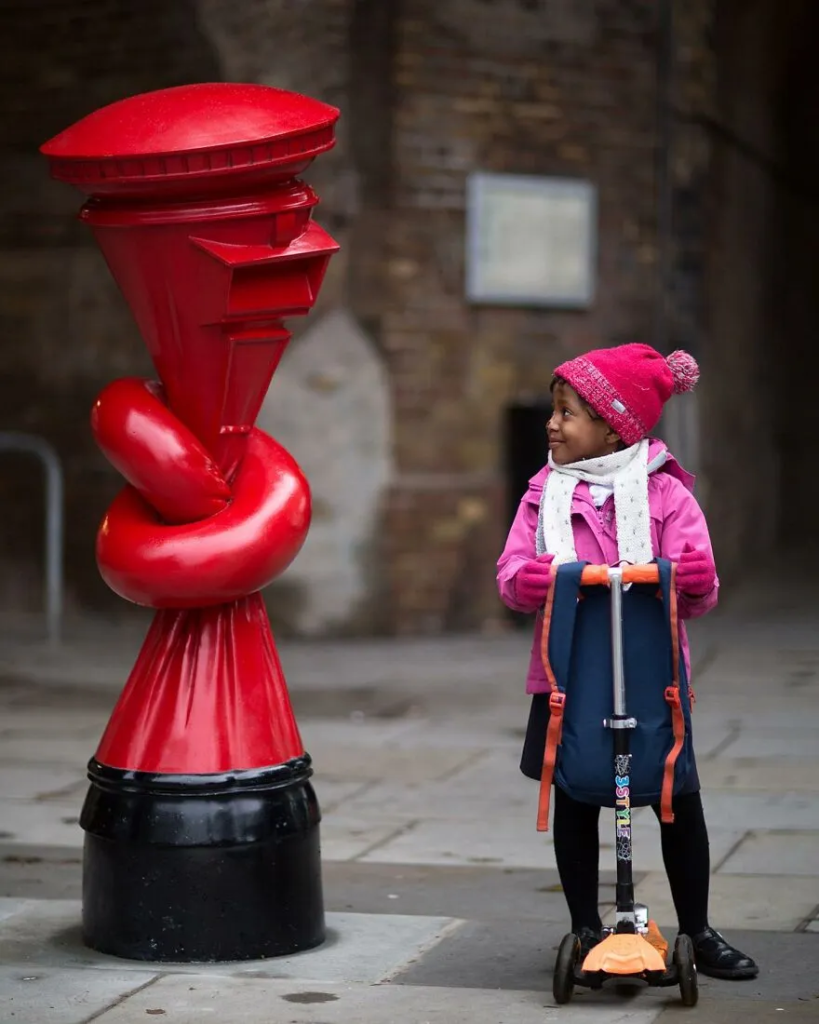
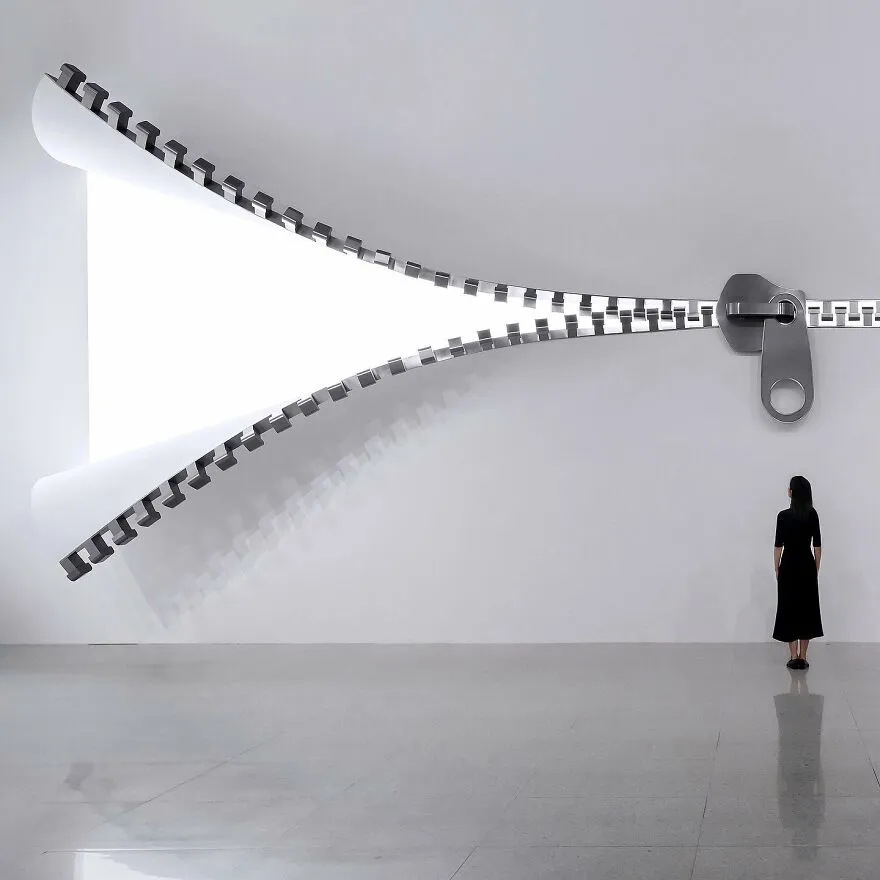
Balancing the engineering challenges of his projects with his artistic vision is no small feat, as Alex admitted to us: “This is my constant battle. If the illusion that I’m seeking to create is going to work, then it has to look effortless. That almost always means hiding a tonne of engineering and technical complexity behind a seemingly simple sculptural form. You have to be prepared to fight for it and apply an obsessive level of focus to detail, quality, and execution. It’s one battle after another, but the greatest illusion in sculpture is that of ease.”